
East Village Door Supplier and Door Repair guides
Door guides for Brooklyn & NYC.
Installation, hardware, fire ratings, structural repair, code compliance, and project planning.
Article imagery is project inspiration, not a gallery of completed customer work.
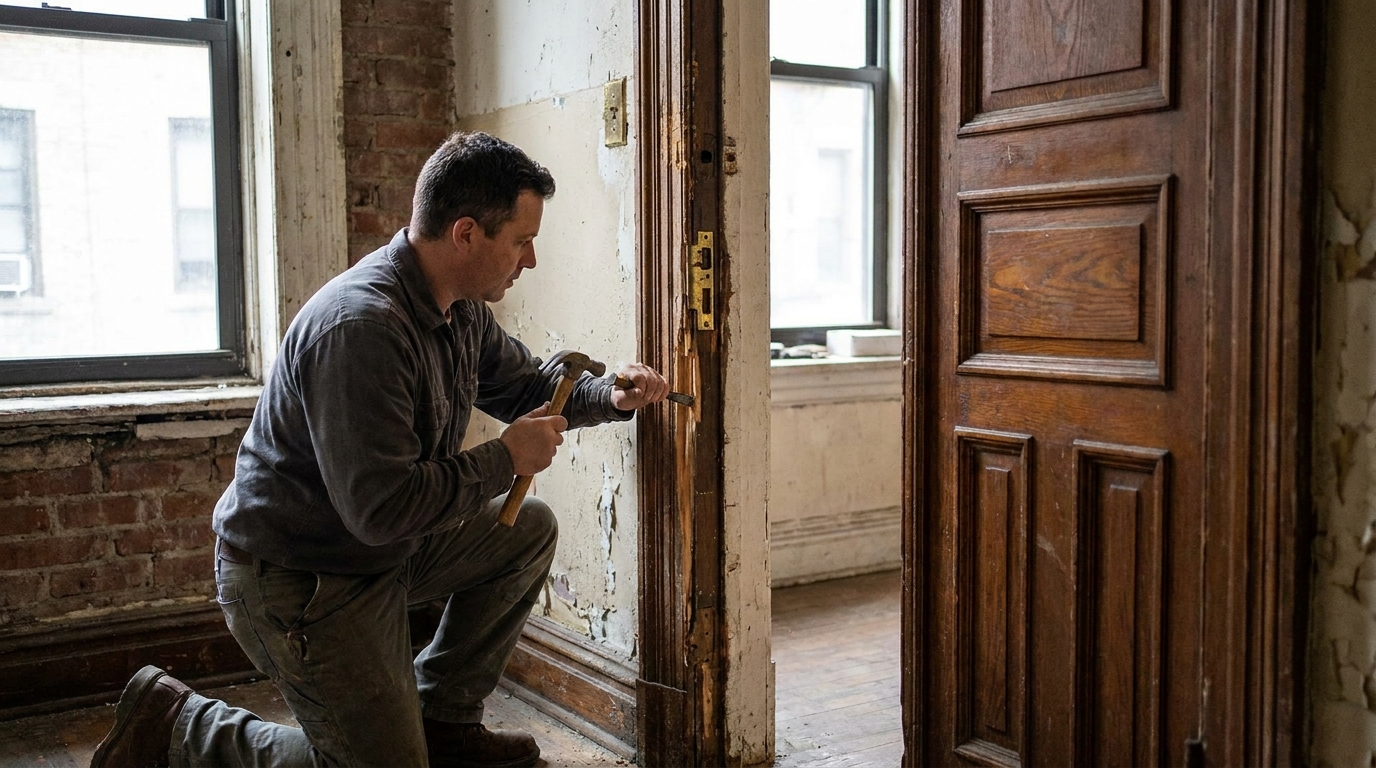
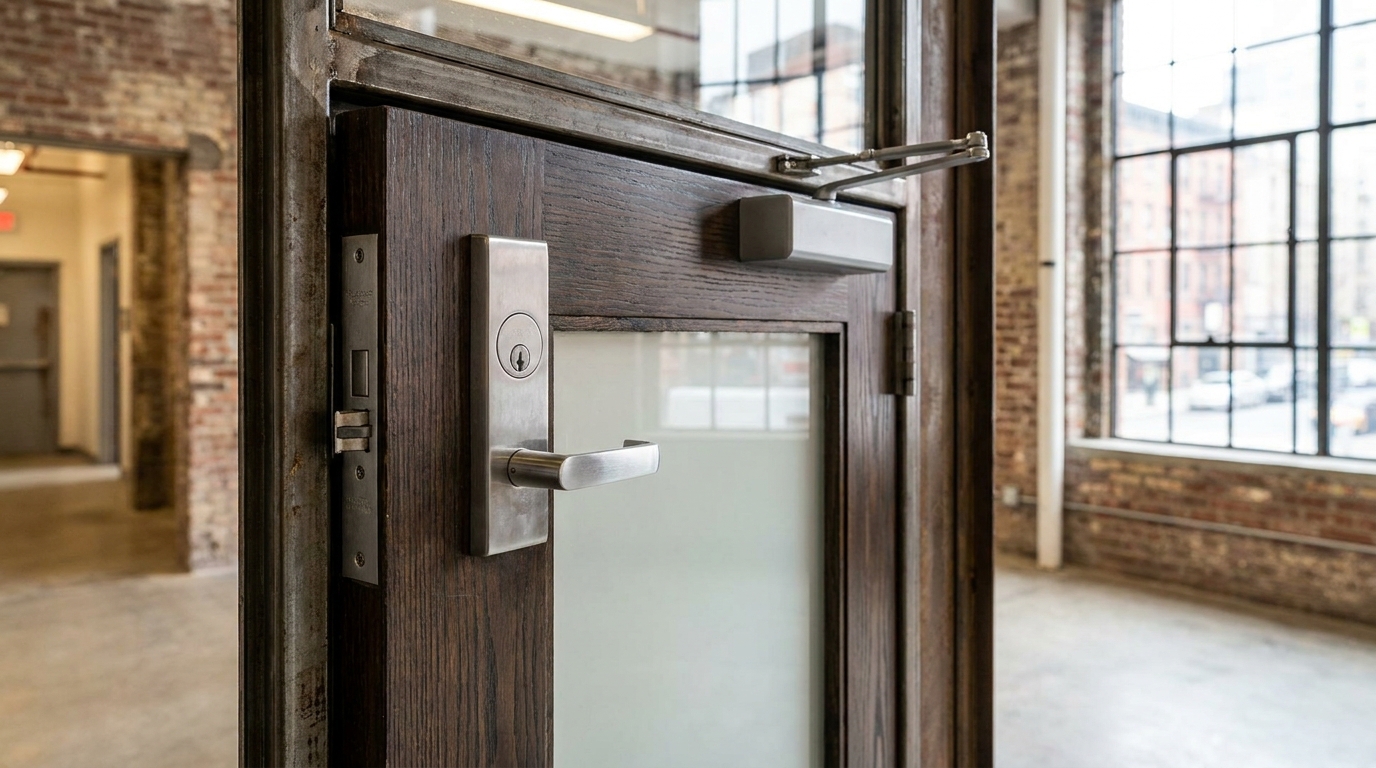
Essential Door Hardware for East Village & Manhattan Buildings
The right door hardware is vital for security, accessibility, and longevity in East Village and Manhattan buildings, especially considering high traffic and NYC code requirements. This guide covers everything from locks to closers.
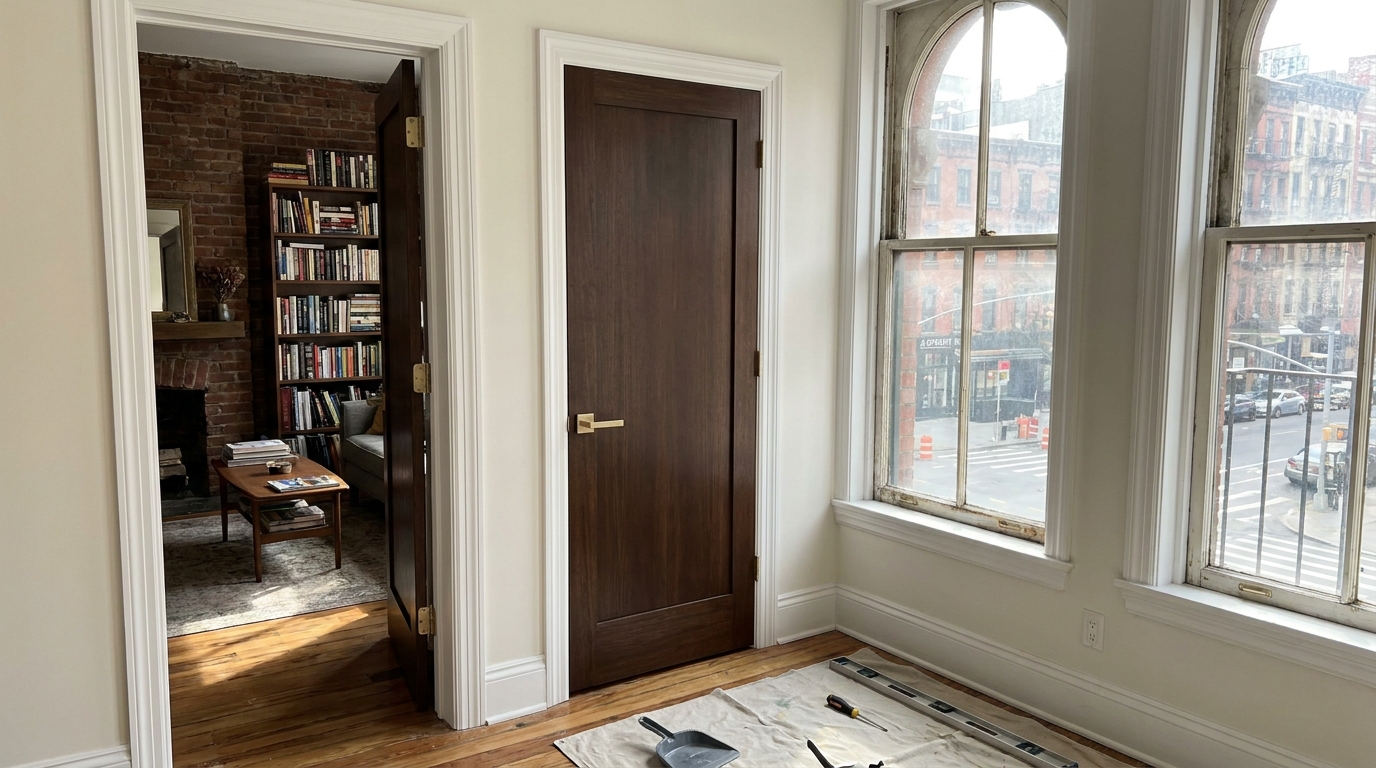
Interior Door Replacement for East Village & Lower East Side Apartments
Refreshing your East Village apartment often starts with upgrading interior doors, enhancing both aesthetics and functionality. Discover options ranging from space-saving solutions for walk-ups to sound-dampening designs.
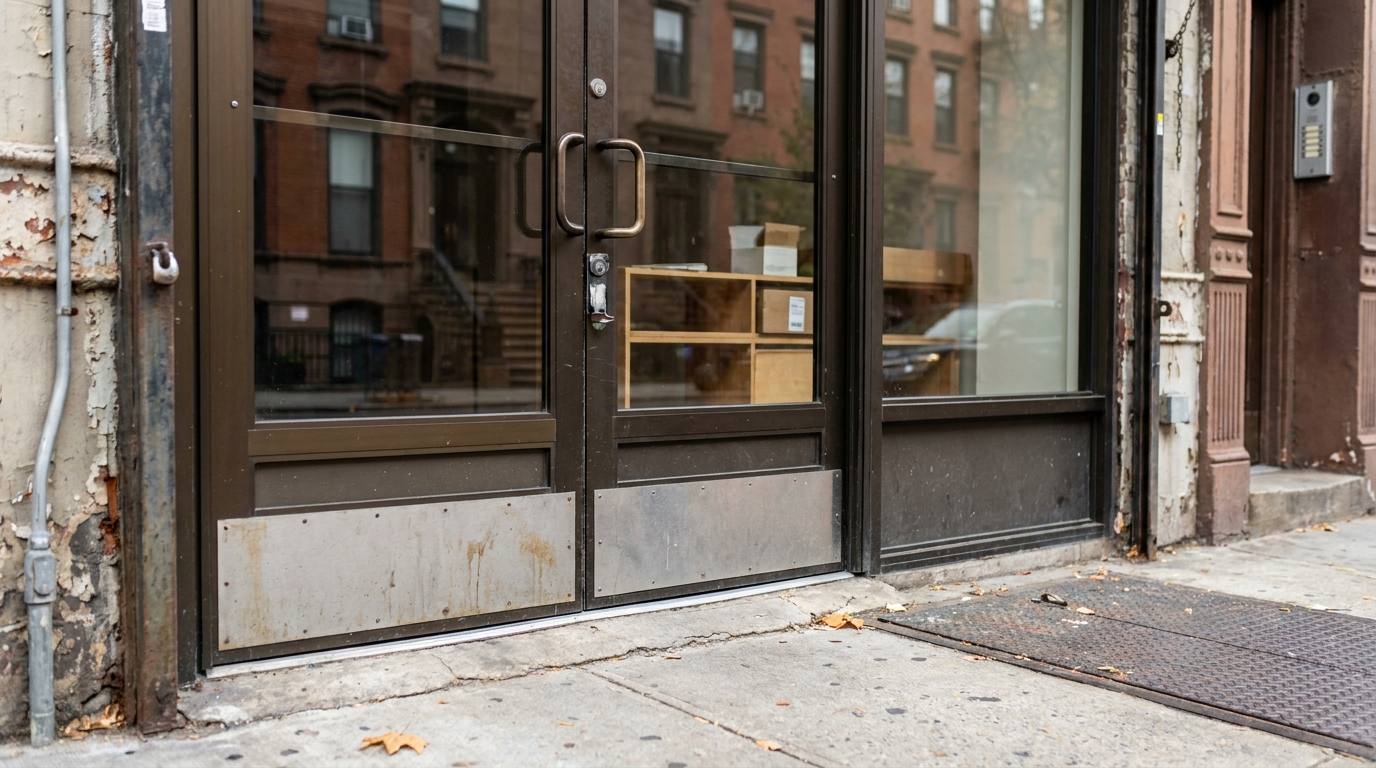
Storefront Door Repair & Installation for East Village Retailers
A damaged storefront door can deter customers and compromise security for East Village and Lower East Side businesses. Learn about common repair needs and robust installation solutions tailored for NYC retail spaces.
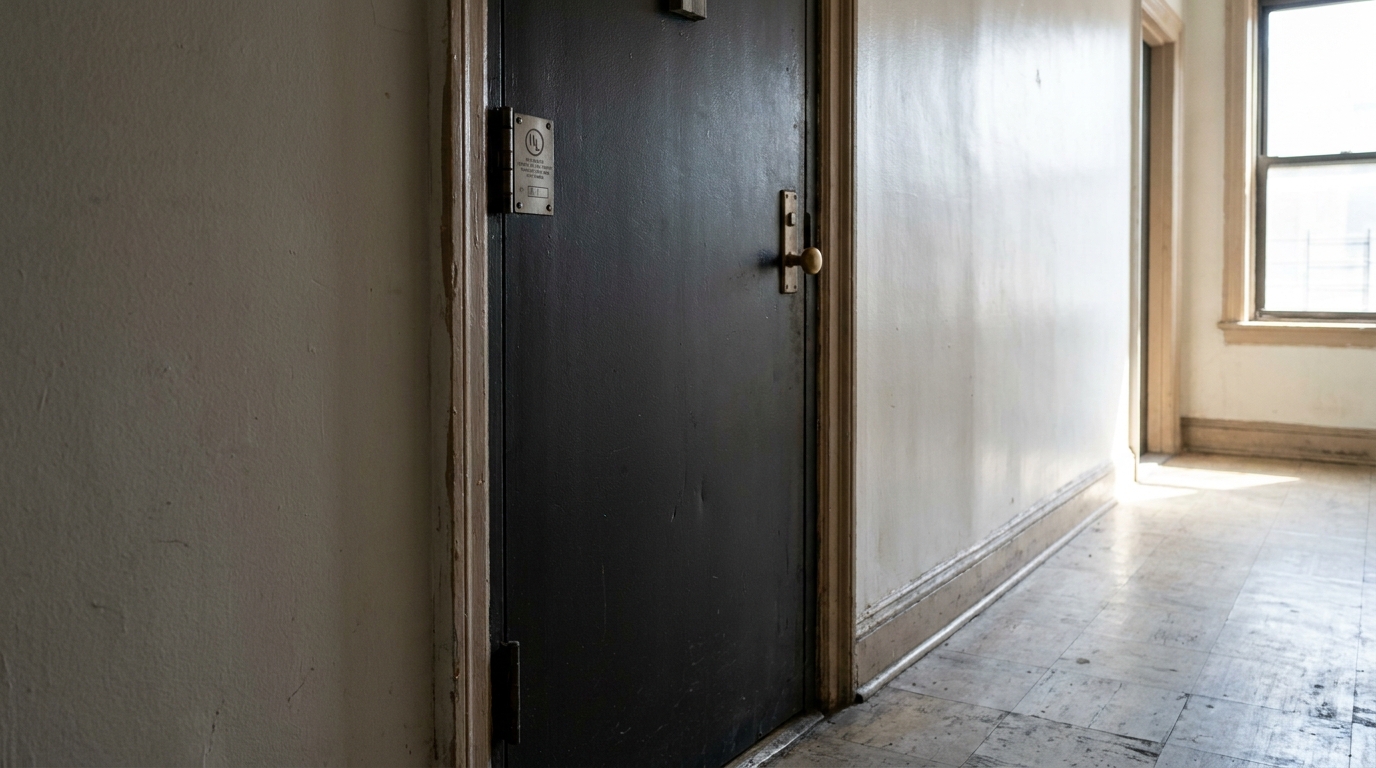
Fire-Rated Doors: Essential for East Village Multifamily Buildings
Understanding and implementing fire-rated doors is crucial for the safety and compliance of multifamily buildings in the East Village and Lower East Side. This guide covers key regulations and installation considerations for NYC properties.
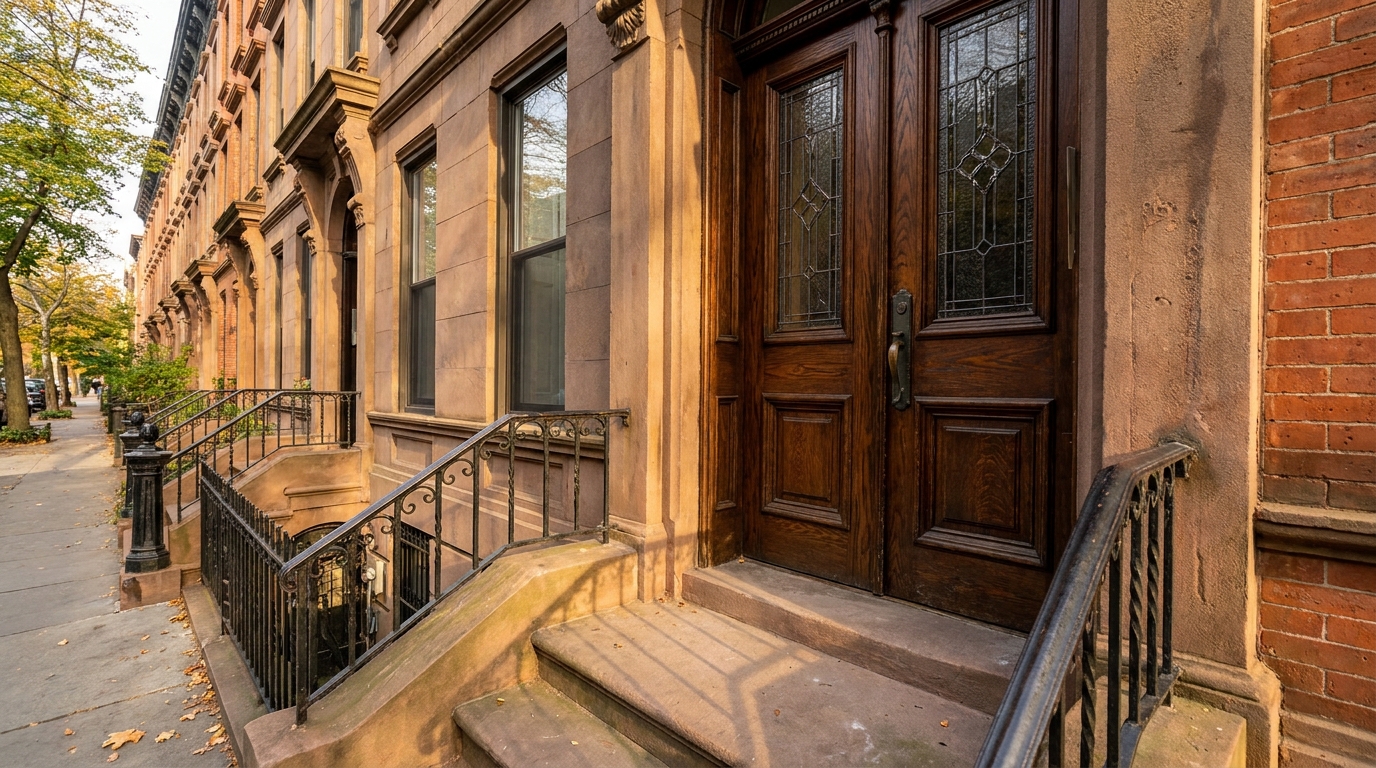
Choosing the Perfect Entry Door for Your East Village Brownstone
Selecting an entry door for your East Village brownstone involves balancing classic aesthetics with modern security and energy efficiency. We explore options that enhance curb appeal while meeting stringent NYC building regulations.
In depth
Questions about nyc door services across NYC
Practical answers from East Village Door Supplier and Door Repair to help you compare door scopes in Manhattan & Brooklyn. Tap a question to expand.
A clear scope identifies the door slab, frame, hardware, weatherstripping, fire rating, and any framing adjustments. Existing damage or structural repairs outside the door scope should be identified before work begins.
Multifamily, commercial, and mixed-use buildings in NYC often require UL-listed fire door assemblies in corridors, stairwells, and certain tenant separations. The written scope should identify the required label, self-closing hardware, and smoke-seal components.
Hardware selection depends on door weight, traffic, security goals, and ADA requirements. Locksets, closers, hinges, panic hardware, and access-control prep should be matched to the door and building use rather than treated as interchangeable.
Many binding, sagging, or latch problems stem from jamb settlement, hinge wear, or strike misalignment — not a failed slab. Structural repair can restore smooth operation and secure closure while preserving original materials when possible.
Accurate on-site measurement accounts for jamb width, header height, floor clearance, swing direction, and existing casing. Pre-war and masonry buildings often need field verification before ordering a slab or custom fabrication.
Settlement, humidity swings, masonry movement, and high-traffic use can affect how doors hang and latch. A responsible scope accounts for the building type — brownstone, loft, multifamily, or storefront — instead of assuming a standard rough opening.
The closeout plan should cover removal of old doors and debris, hardware testing, latch alignment, and a walkthrough against the written scope. Any agreed adjustments should be documented before the project is considered complete. Call (212) 505-8847 to discuss your project in Manhattan & Brooklyn.
Ready to plan your NYC door project?
Tell East Village Door Supplier and Door Repair about the opening, door type, hardware, property, and timing you have in mind.